How Pre-Eclampsia Affects Pregnancy Outcomes in Pregnancy | Plusplus ...
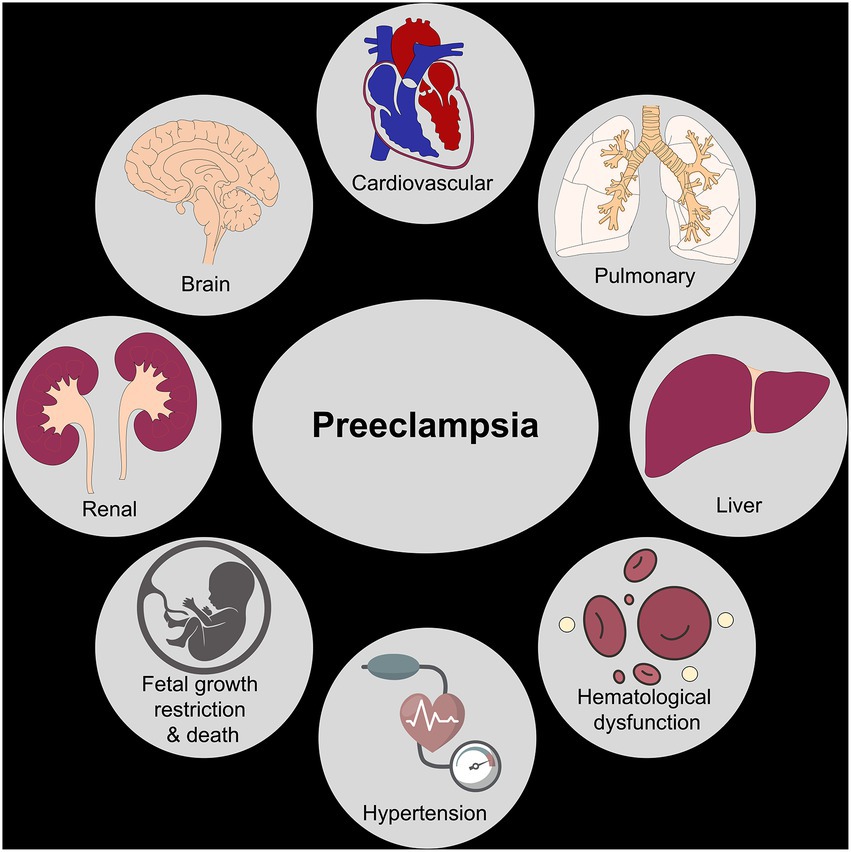
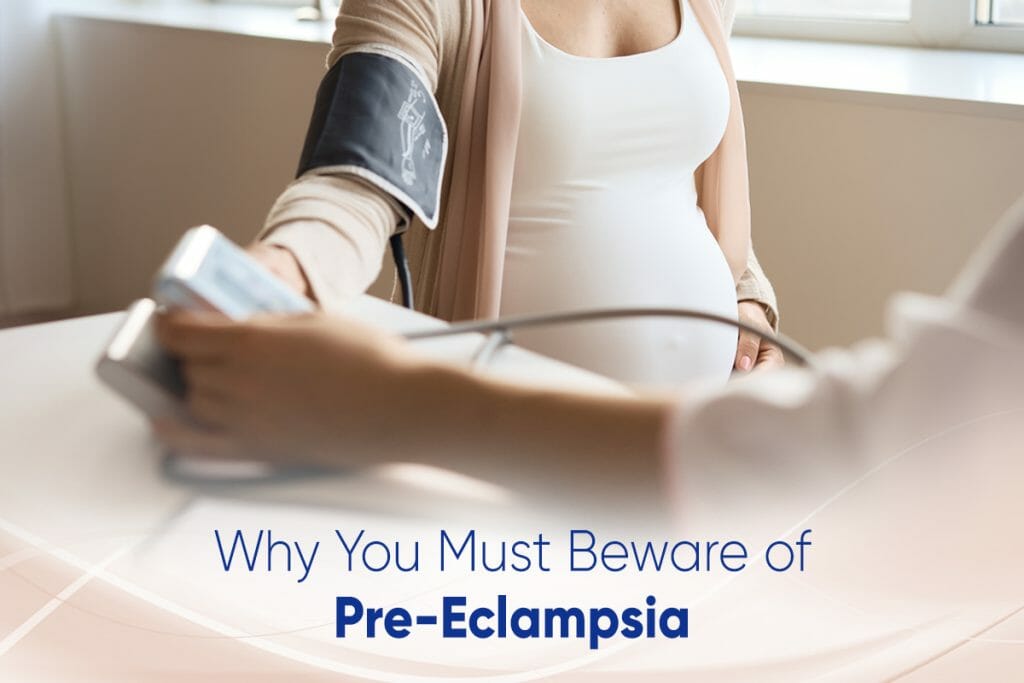
Preeclampsia is a pregnancy complication characterized by high blood pressure and damage to organs such as the liver and kidneys. It is a leading cause of maternal and fetal morbidity and mortality worldwide. According to the Mayo Clinic, preeclampsia affects approximately 2-8% of pregnancies, making it a significant concern for expectant mothers. In this article, we will delve into the symptoms, causes, and risks associated with preeclampsia, as well as the importance of early detection and treatment.
Preeclampsia Pictures
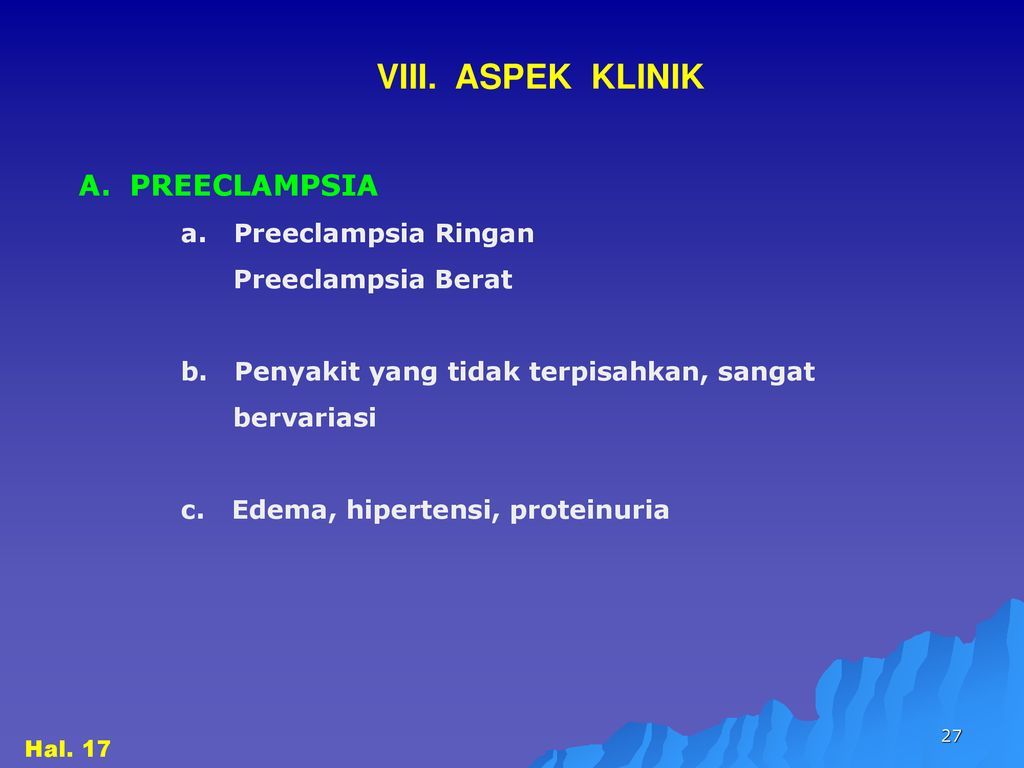
Kuliah Dasar Mahasiswa Fakultas Kedokteran Universitas Airlangga - ppt ...

Symptoms of Preeclampsia

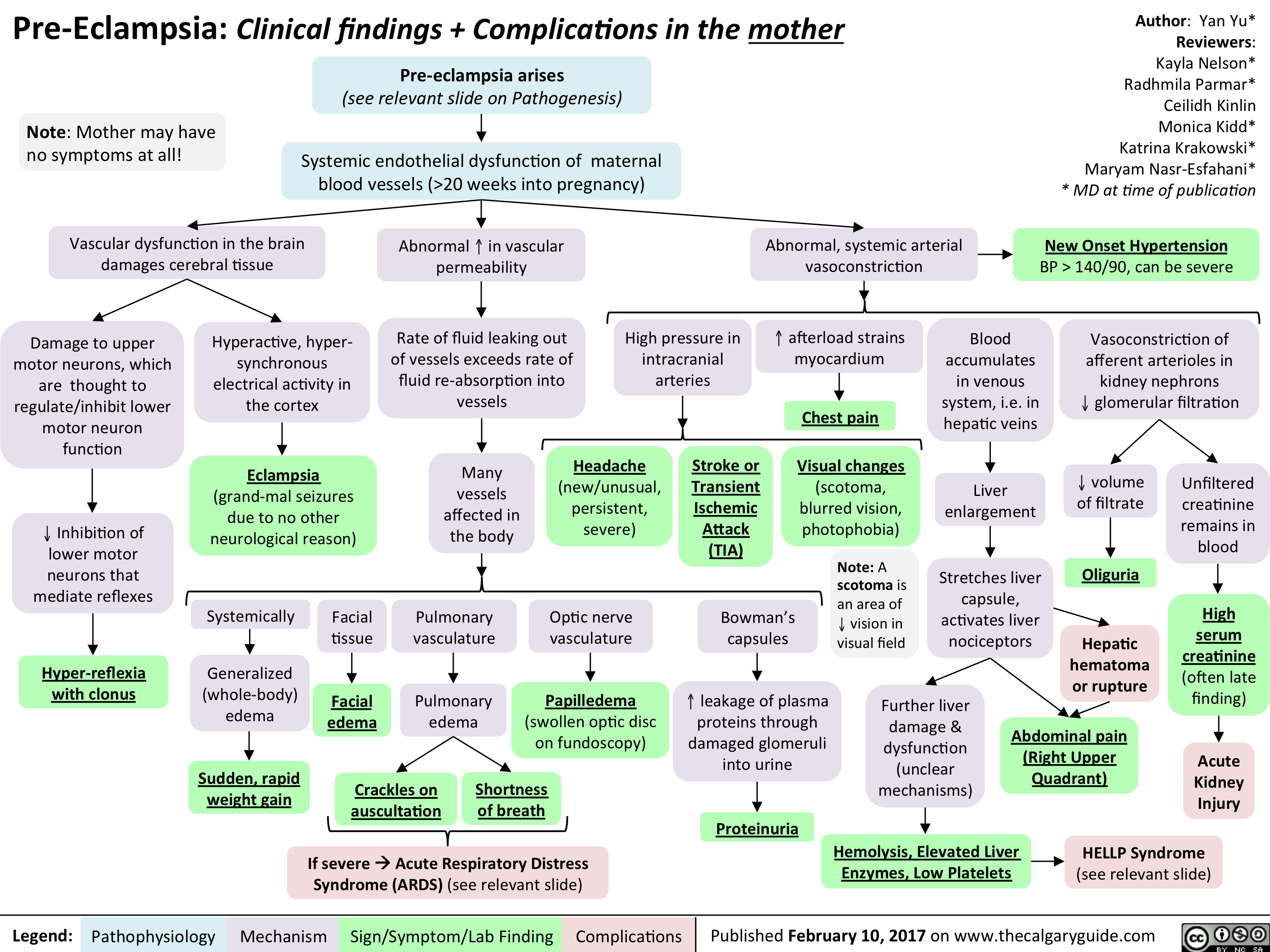
Pre-Eclampsia: Clinical findings + Complications in the mother ...
The symptoms of preeclampsia can vary from mild to severe and may develop gradually or suddenly. Some common symptoms include:
Pre Eclampsia - Complication During Pregnancy
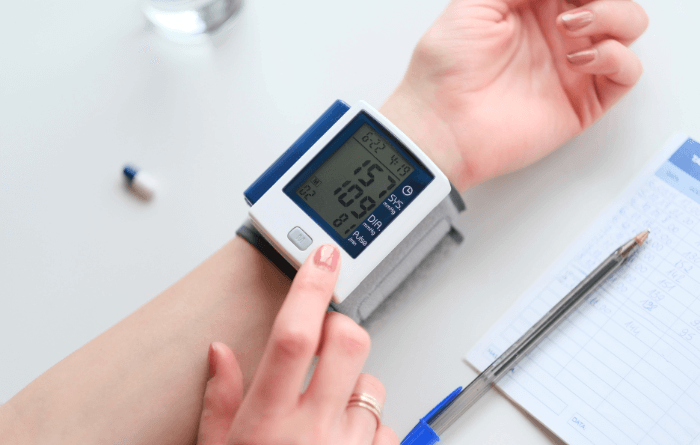
High blood pressure: This is the primary indicator of preeclampsia. Blood pressure readings above 140/90 mmHg are considered high during pregnancy. Protein in the urine: The presence of protein in the urine (proteinuria) is another key symptom of preeclampsia. Severe headaches: Persistent and severe headaches can be a sign of preeclampsia. Vision changes: Blurred vision, double vision, or sensitivity to light can occur due to high blood pressure. Abdominal pain: Severe abdominal pain, especially in the upper right quadrant, can be a symptom of preeclampsia. Nausea and vomiting: Some women may experience nausea and vomiting, which can be mistaken for morning sickness. Swelling: Swelling in the face, hands, and feet can occur due to fluid retention.
Severe complications of preeclampsia | Download Table
Distribution of pre-eclampsia complications among 314 pregnant women ...

Causes and Risk Factors

What are the complications of pregnancy
The exact cause of preeclampsia is still unknown, but several factors increase the risk of developing the condition. These include:
waspada! ini bahaya preeklampsia bagi ibu dan janin
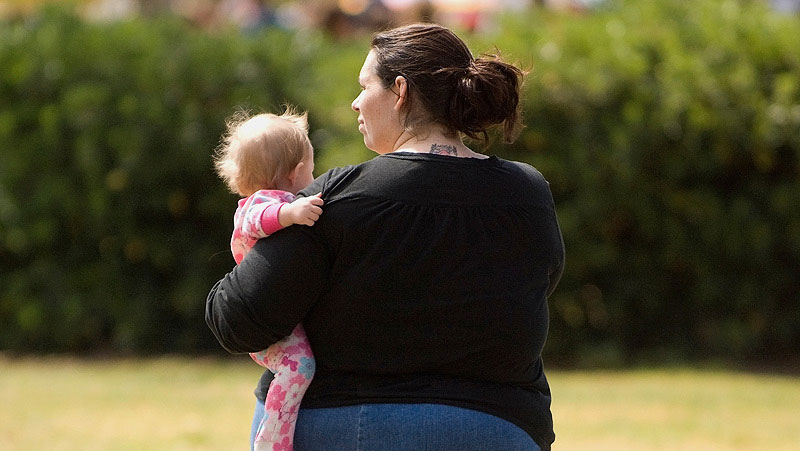
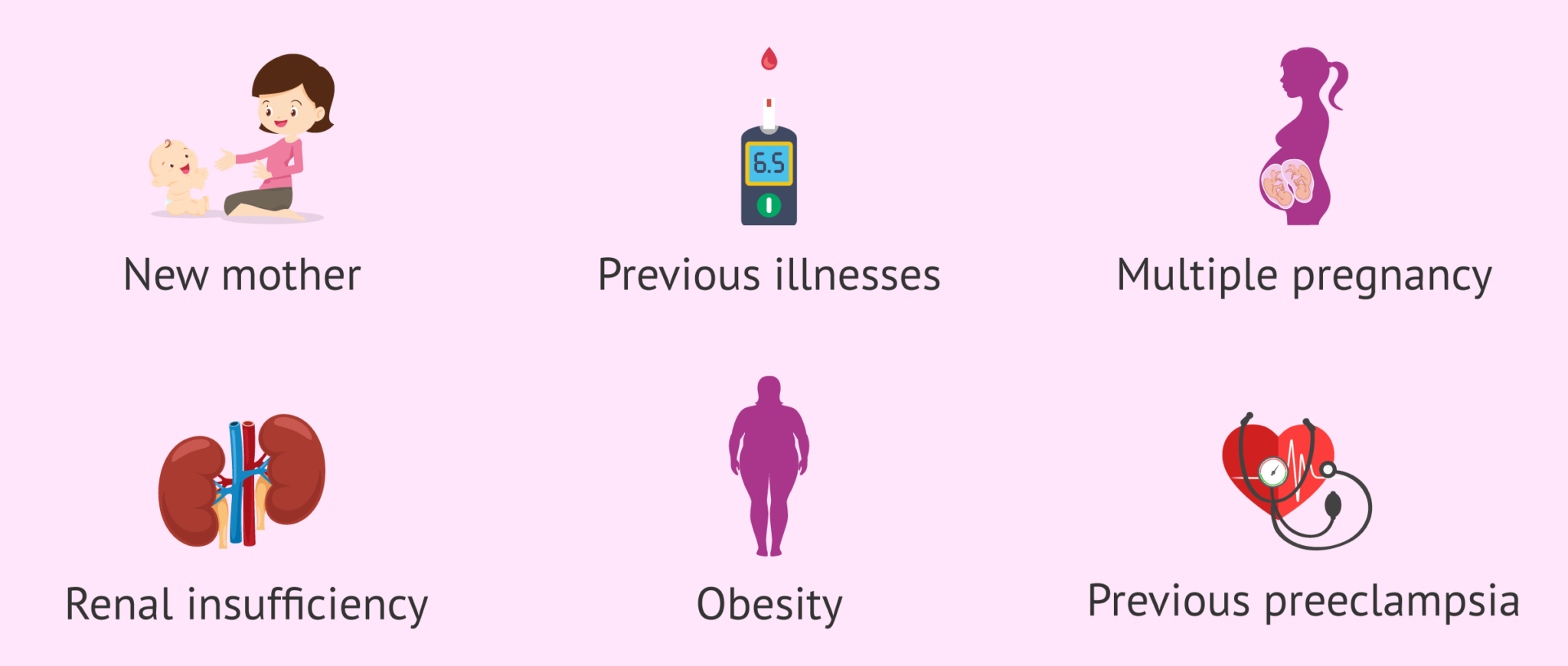
First pregnancy: Women having their first baby are at a higher risk of developing preeclampsia. Multiple pregnancy: Carrying twins or other multiples increases the risk of preeclampsia. Age: Women under 20 or over 35 years old are at a higher risk. Obesity: Women with a body mass index (BMI) of 30 or higher are at increased risk. Pre-existing medical conditions: Women with pre-existing hypertension, kidney disease, or autoimmune disorders are at higher risk. Family history: Women with a family history of preeclampsia are more likely to develop the condition.
Are there risk factors for preeclampsia in pregnancy?

Importance of Early Detection and Treatment

Early detection and treatment of preeclampsia are crucial to preventing complications and ensuring the best possible outcomes for both mother and baby. If left untreated, preeclampsia can lead to severe complications, including: Preterm birth Low birth weight Fetal growth restriction Placental abruption Maternal stroke or organ failure Regular prenatal check-ups and monitoring of blood pressure and urine protein levels can help detect preeclampsia early. Treatment may involve bed rest, medication to lower blood pressure, and close monitoring of the mother and baby. In severe cases, delivery may be necessary to prevent complications. In conclusion, preeclampsia is a serious pregnancy complication that requires prompt attention and treatment. By understanding the symptoms, causes, and risks associated with preeclampsia, expectant mothers can take proactive steps to ensure a healthy pregnancy and minimize the risk of complications. If you are experiencing any symptoms or have concerns about preeclampsia, consult your healthcare provider for guidance and support.

Source: Mayo Clinic